
The online casino industry is changing. Operators are moving away from identical game libraries. DUEL, a crypto casino operator, says the era of near-identical game catalogues is pushing platforms to build their own original titles. Exclusive in-house games are becoming one of the main ways operators can stand out in an increasingly crowded market.
The Problem with Identical Game Libraries
Thousands of online casinos license their games from the same group of studios. This means players see the same slots, table games, and live dealer experiences across multiple platforms. When competing sites stock largely the same games, attracting and retaining players comes down to bonuses and marketing spend. That is an expensive and unsustainable strategy.
DUEL argues that this dynamic explains why exclusive titles have moved from a curiosity to a strategic investment. Rather than competing on the size of a licensed library, operators with original games can build recognition around products that players associate directly with their brand.
Exclusive Titles as Brand Assets
Developing games in-house gives operators content that cannot appear anywhere else. It also gives them greater control over mechanics, game balance, and update cycles. This allows operators to test formats that fall outside traditional casino categories.
Exclusivity also helps with retention. A player whose preferred game exists on a single site has an additional reason to return beyond promotional offers. This reduces reliance on bonuses and creates a more sustainable player relationship.
Crypto Operators Moving Faster
While established operators have also invested in original content, DUEL says crypto-native casinos have adopted the model quickly. Built without legacy catalogues, they tend to favour short-session games with simple rules, published mathematics, and provably fair verification.
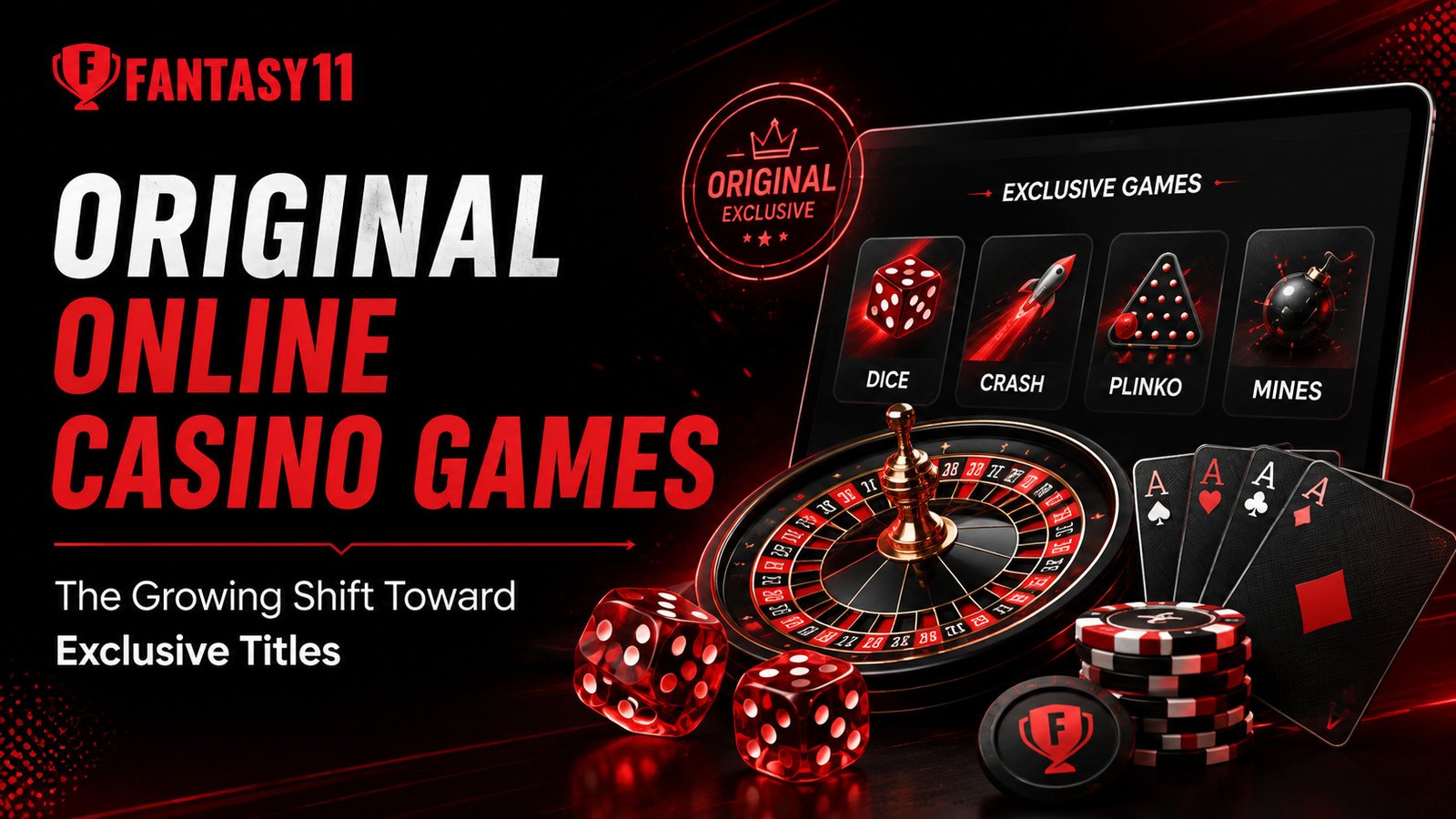
DUEL points to its own catalogue as an example. Its in-house Originals include Dice, Crash, Plinko, and Mines. These run alongside licensed slots and live dealer tables. DUEL displays the house edge for each title on its game page. Outcomes can be verified through a dual-seed system. This level of per-game disclosure is more difficult to apply to third-party content, since the underlying mathematics of licensed titles are controlled by the studio rather than the operator.
Room to Innovate
The freedom to experiment may prove an important advantage over time. Traditional casino games have existed in digital form for decades. While providers continue to refresh themes and bonus mechanics, the underlying gameplay often remains familiar.
In-house teams can adjust balance, introduce different mechanics, and develop games that do not fit existing categories. Player feedback flows directly into development rather than through a licensing relationship. This creates a faster and more responsive development cycle.
The Future of Online Casino Content
DUEL expects major studios to remain central to the industry. No serious operator is likely to abandon licensed content entirely. However, original games are increasingly being treated as an asset that can help distinguish one platform from another. They give players titles designed around current preferences, while platforms such as Fantasy11 continue to explore broader gaming experiences.
The shift is clear. Operators that invest in original content are building stronger brands, better player retention, and more sustainable businesses. The era of identical game libraries is ending. The era of original casino games is here.